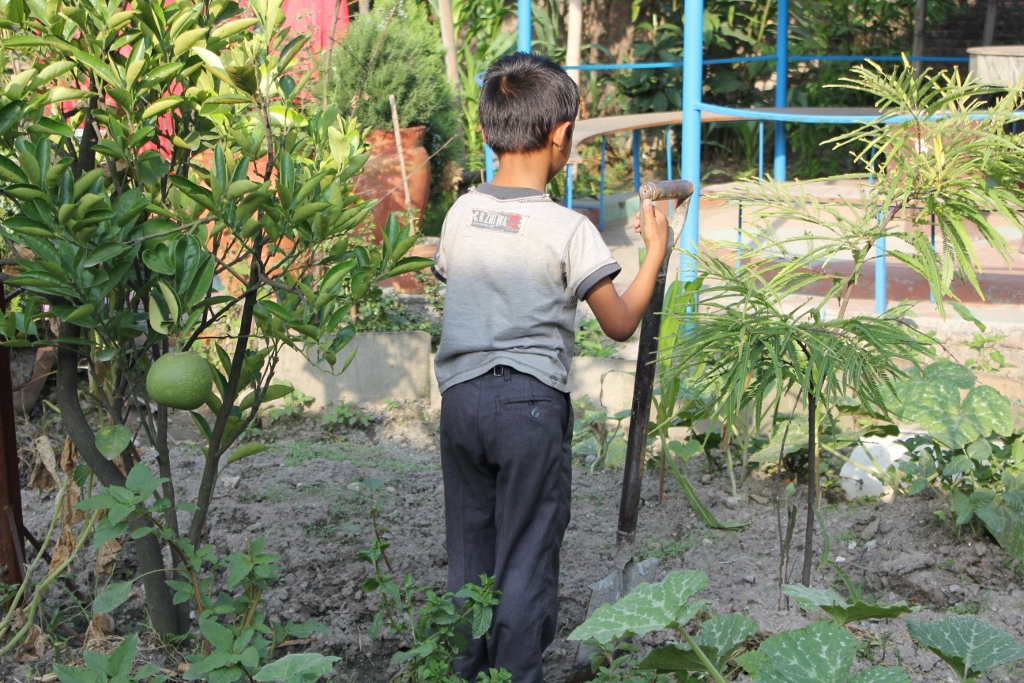
As of 2018, out of the total 7,074,756 children in Nepal between the ages of 5 and 17, an estimated 2,073,951 (29.3%) of children were working. Of these, 1,081,512 total children were engaged in child labour even though it is illegal. Over three-quarters of them were under the age of 14, and 3.2% of children were engaged in hazardous work activities (ILO). Per definition, child labour refers to working conditions that harm children in their personal development. Especially children in rural areas drop out of school to financially support their families. Agricultural work, street hawking, mining and construction work are some examples of the most common types of labour. The children who are engaged in hazardous work are exposed to physical and mental risks. Working in private households as domestic workers puts mainly girls at the risk of domestic sexual exploitation.