Objectives:
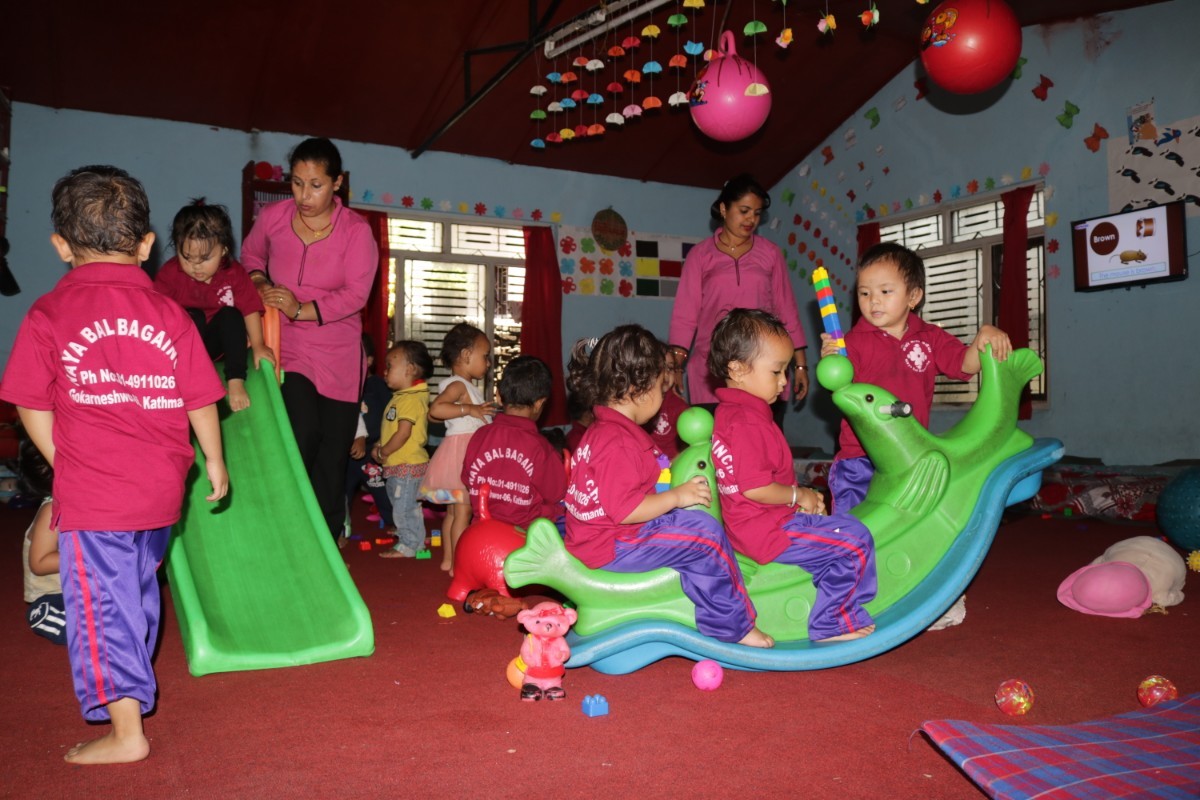
Shelter home and support: To provide a secure shelter home that caters to the comprehensive needs of women and children affected by violence, abuse, and/or poverty, offering essential medical, psychological, and legal assistance.
Access to education and training: To provide women who are survivors of violence and abuse with skills training and empowerment programs, and children with access to kindergarten, school and university education.
Leverage self-dependent business: To increase access to micro-credits and to promote local business and savings schemes for women.
Equal rights: To work toward the elimination of gender bias in laws, rules and regulations, and to lobby for equal participation for women at all levels of government and decision-making.
We want women to be strong, independent and to decide for their future themselves. We want women to play an integral role in shaping the future of Nepal, hand in hand with the men.
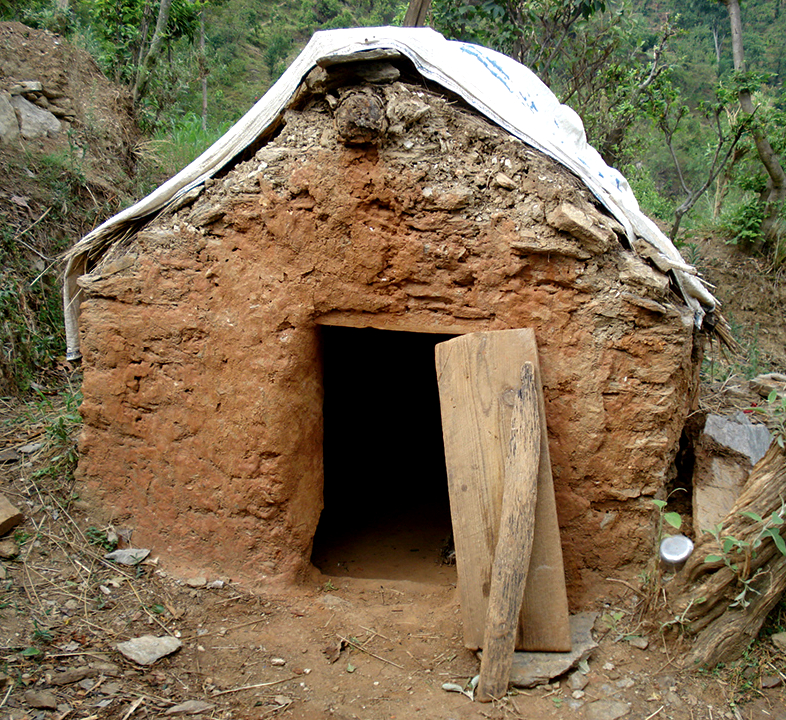
As of 2026, there are approximately 15.5 million women and girls in Nepal. For them, menstruation is a natural process of the body during the reproductive years. Still, women and girls in Nepal face complex challenges like superstitions, stigma and discriminatory practices during their menstruation. One of these practices is called Chhaupadi. Chhaupadi is an old tradition, based on social and cultural norms, where it is believed that women are “impure” during their menstruation. Meanwhile they are banished from their houses and social activities, staying in isolated “menstruation huts.” There, they are exposed to dangerous conditions, including cold, wild animals, and sexual violence (Global Divide, 2026). Nepalese law criminalised this harmful practice in 2017. Sadly, it still frequently occurs in many of Nepal’s districts. In 2019, the National Human Rights Commission documented at least 16 Chhaupadi-related deaths in a single year in Sudurpaschim Province. There were 3 reported deaths across Nepal in 2025 (Global Divide, 2026). In 2020, 8.7% of girls nationwide still practiced Chhaupadi (World Vision, 2020).
Other challenges faced by women and girls during menstruation include limited access to hygiene products and sanitation facilities, lack of menstrual health education, and social stigma. 39% of women in Nepal rely on unhygienic methods for menstrual health management (Days for Girls, 2025). Hygienic menstrual products are often subject to limited availability and high costs. Additionally, only 51% of the Nepalese population has regular access to a safe sanitation facility (Days for Girls, 2025). Girls most commonly first learn about menstruation from their mothers rather than in school. In 2020, 71.1% of adolescent girls knew about periods before their first one occurred (MHMPA, 2025). Many girls frequently miss school and fall behind during menstruation due to pain and discomfort, cultural restrictions, and the shame that results from the social stigma surrounding periods.
Fortunately, progress is being made. In 2025, Nepal’s Supreme Court ruled to remove all taxes on menstrual products. The government is also developing a Dignified Menstruation Policy, which aims to address menstrual taboos and improve menstrual health nationwide (Days for Girls, 2025).
Vocational training for women
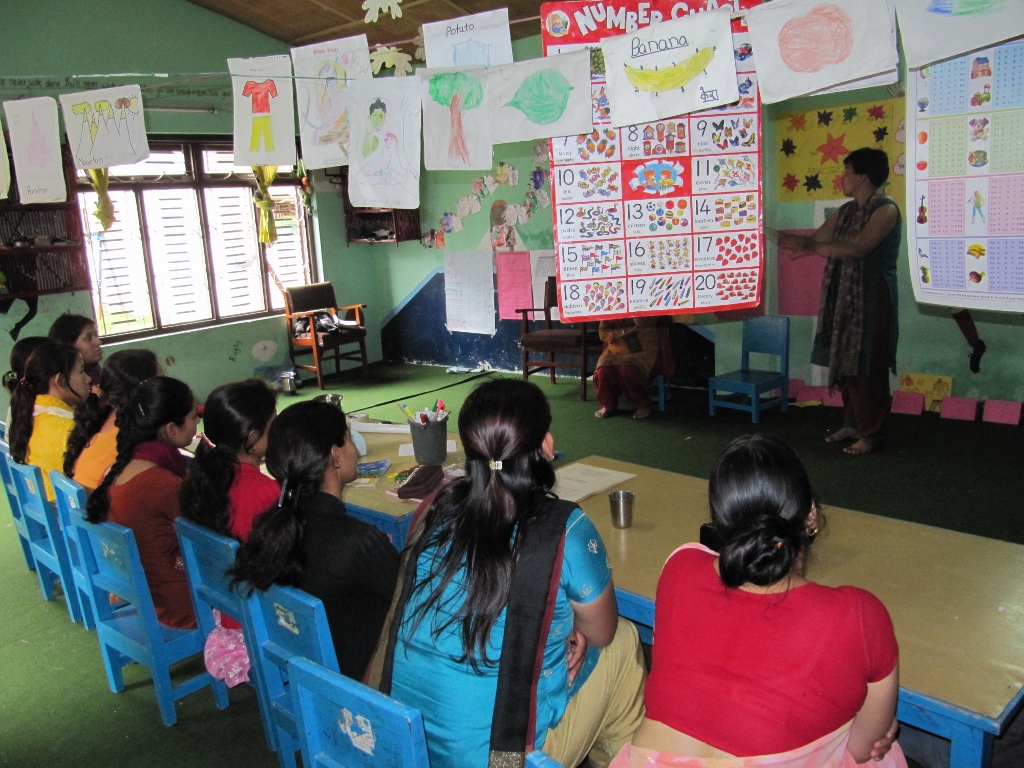
The Vocational Training for Nepalese Rural Women Program is a training initiative operated by The Women’s Foundation Nepal and funded by Marie-Schlei Verein (German Association). The program is designed to empower women in five rural districts in Nepal. The programmes focus on leadership, gender equality, micro-credits & savings and provide vocational education (in the areas of animal rearing, veterinary practices, animal healthcare, vegetable farming and shop management). This specific program has been running since 2010 and was expanded in December 2013 for the next two years, enabling hundreds of women to improve their lives.
See more pictures of the training.
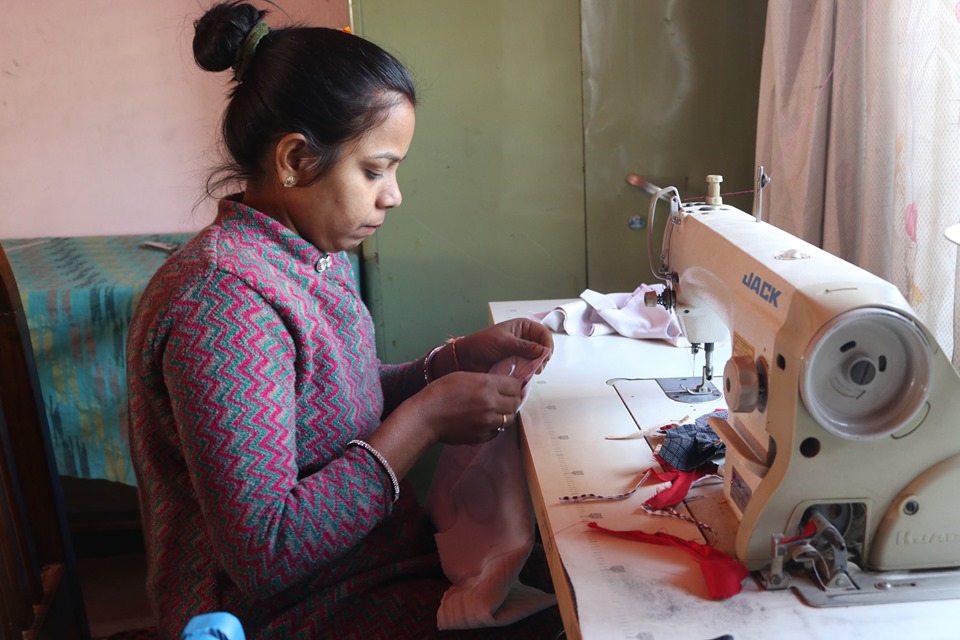
Sewing training for women
15 women are attending the ongoing sewing training at the Women’s Foundation Nepal. Congratulations to the women for successfully participating in and completing the training. We heartily want to thank PILE et FACE for supporting this course and therefore realizing skill development for the participants. This training started end of 2019.
Shoe-making training for women
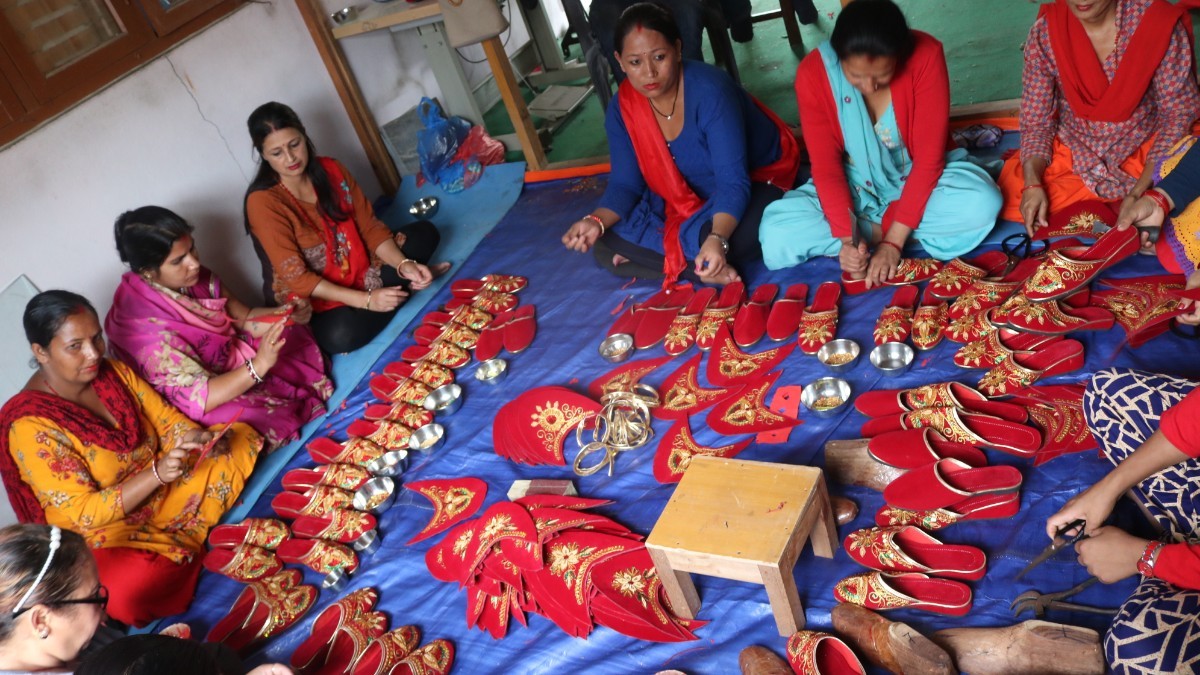
With the support of the Rotary Club of Healesville – Australia, the Women’s Foundation organized a three-month shoe-making training for women which was aimed at increasing women’s access to skills for improving their financial independence, expanding their employment opportunities and boosting their quality of life.
Women developed the following skills:
- Cutting and pasting the materials
- Making the upper part of the shoe
- Fixing the golden lace for the border of the shoe
- Sewing the borders of the shoes
- Measuring, cutting and pasting the sole
- Fixing the heel of shoes
- Making plain shoes with golden lace
- Embroidering for designed shoes
This training helped empower women economically because it shaped women’s choices of occupations, jobs and places of work. It began in mid-2019.
Screen print training for women
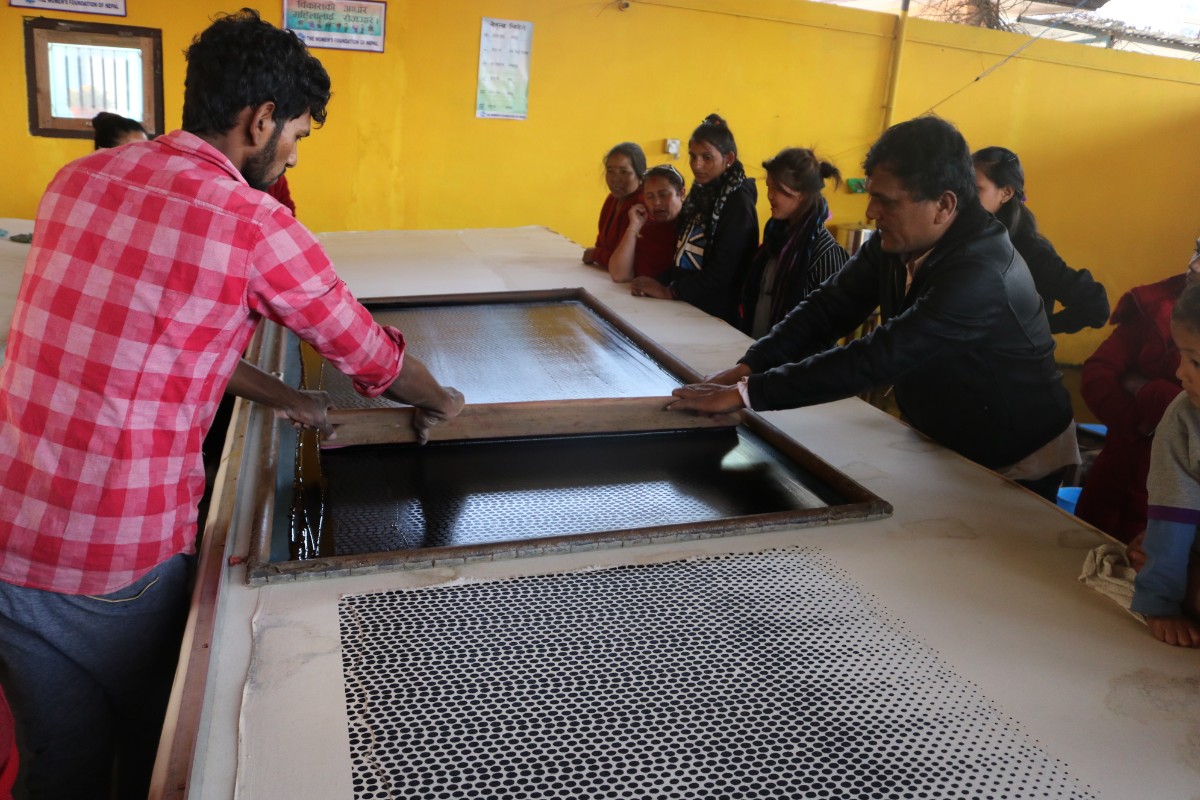
This training imparts knowledge and skills with screen printing technology. The Screen Print Training builds a lasting solution to poverty and unemployment by securing economic sustainability for Nepalese women. This training helps women become independent and self-sustained to make their future better. This project’s key success is its development of a new generation of women with better opportunities for sustaining their lives.
This project was realized and organized through a supportive co-operation with the GLS Future Foundation for Development in Germany and started beginning of 2019.
Personal Support Worker training for women
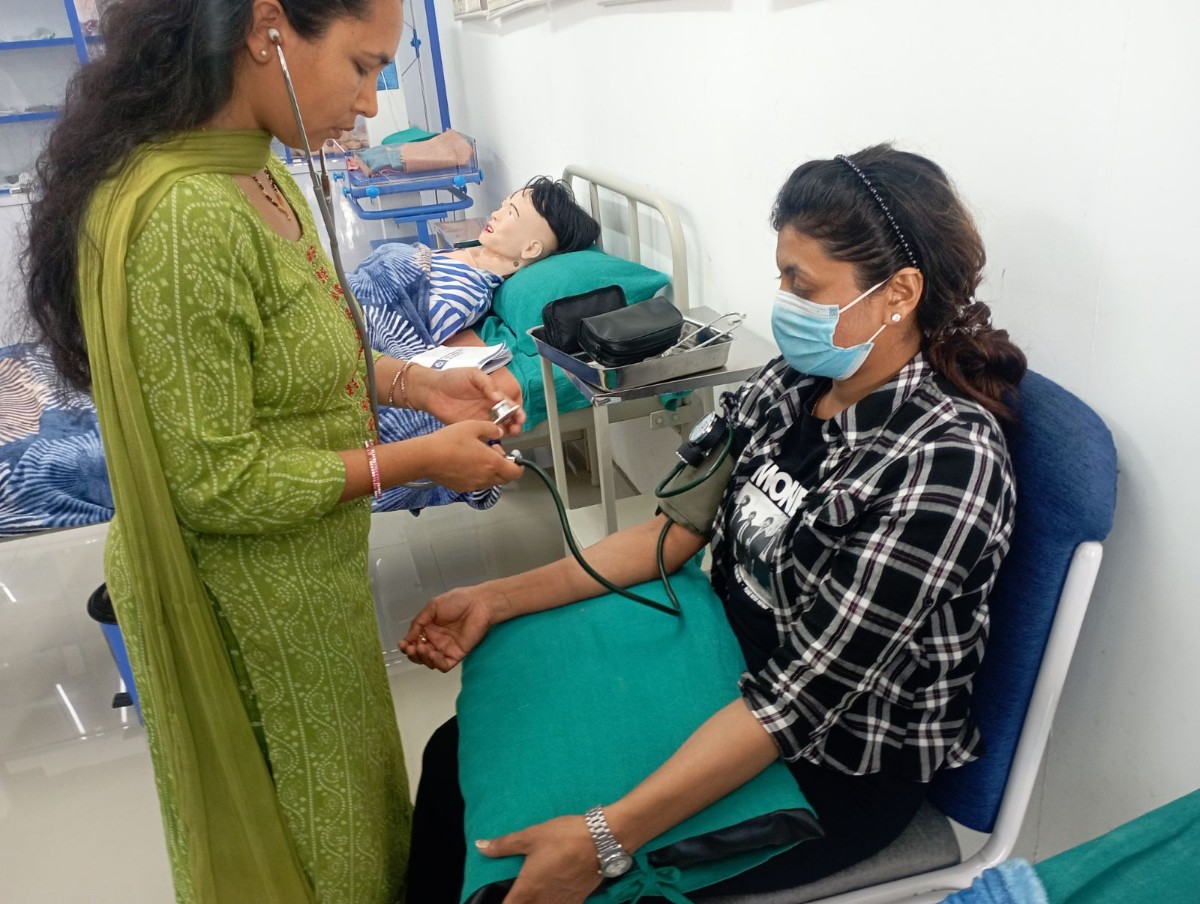
The first phase of PSW training began on 1st January 2022 and was successfully completed on 31st March 2022. The second phase of training began on 30th April 2023 and ran for three months. 10 participants from each of the locations (Kathmandu and Sunsari District) participated in the training in the first phase and 15 participants from each of the locations participated in the second phase.
Basic house wiring training for women
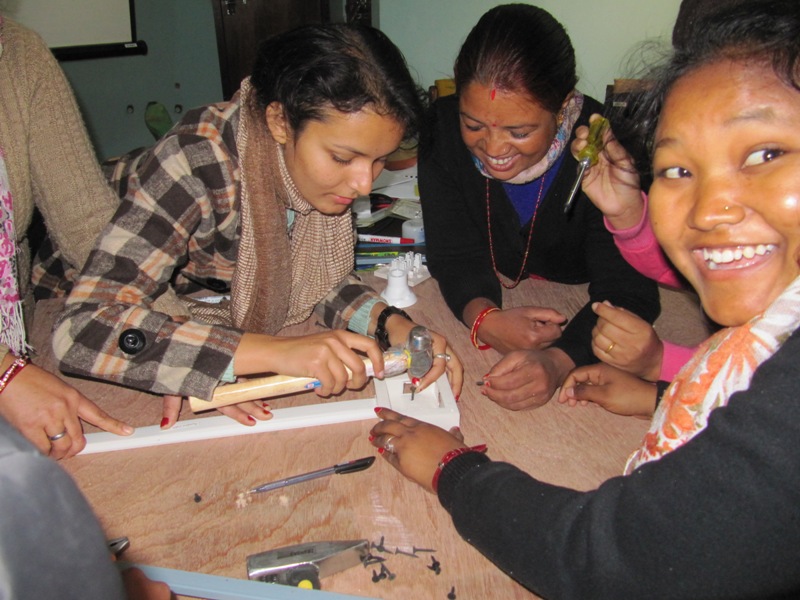
With the help of volunteer Kate Williams, we first established a partnership with Global Women Project (GWP). With their financial support, we were able to train women in electricity. We got in touch with the directors of an electrical company for the training and organized a six-week course.
The project taught students to be able to work effectively with low current (up to 50A) and low voltage electrical (up to 2230V) and electronic assembly work. After the training, students were linked with work opportunities and business training in order to create their own business start-ups.
The project began in January 2014.
WFN is committed to creating a diverse environment and is proud to be an equal opportunity employer. All qualified applicants will receive consideration for volunteer positions without regard to race, caste, religion, gender, gender identity or expression, sexual orientation, national origin, genetics, disability or age. We are committed to maintaining the confidentiality, and security of your personally identifiable information (“Personal Information”) and respect your privacy.
Volunteers are important to The Women’s Foundation Nepal: they bring a fresh perspective, new energy, dedication and caring and an appetite for challenging work. Some volunteers live locally while others live half a world away running local fundraising campaigns, managing our website, writing grants and keeping in touch with encouraging words.
We are always looking for experienced professionals who have expertise in the areas of production, sales, communications, marketing, accounting, administration work, teaching or agriculture.
To find out more, you can download the Volunteer handbook and read testimonials of some volunteers on this page.
Priority will go to volunteers who agree to stay for 3 months or more (minimum stay is 2 months). We favour volunteers with a Bachelor’s Degree and work experience in their field of expertise. If you wish to volunteer, please send an email to wfnvolunteer12@gmail.com and include a copy of your CV.
Free eye camp and cataract operation clinic
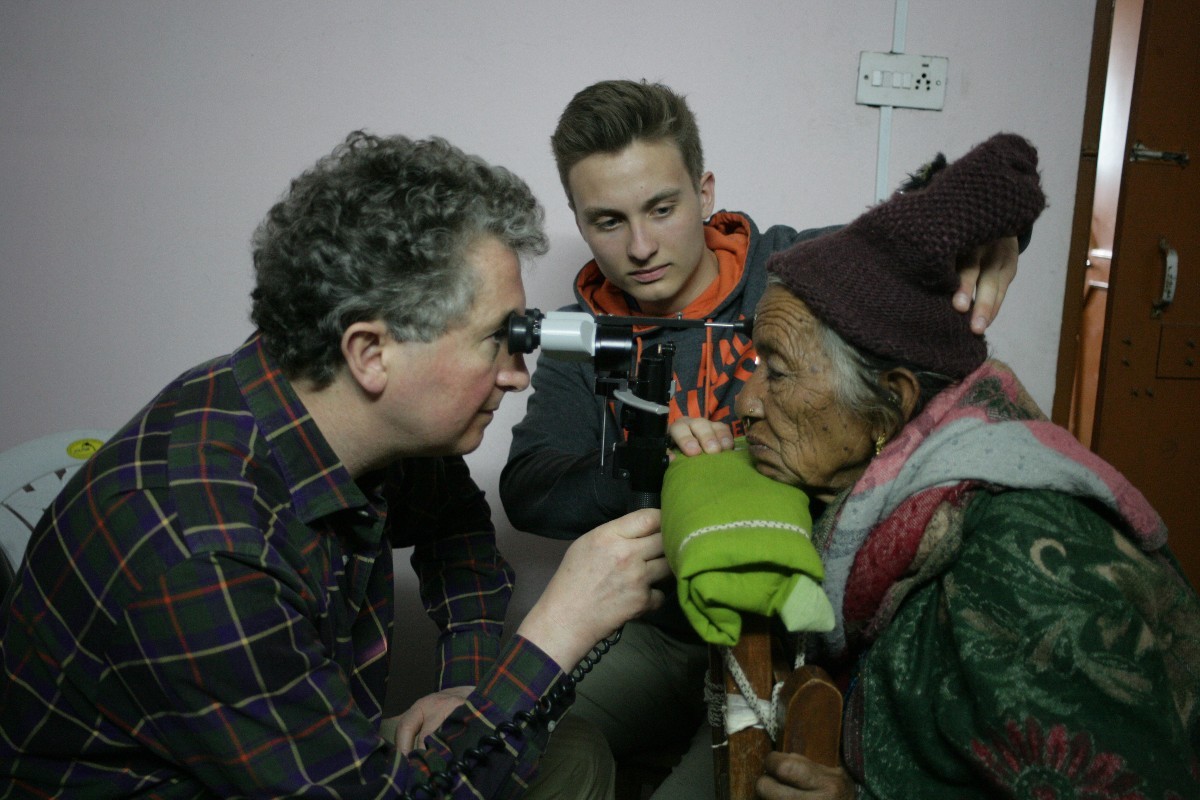
Once a year a free eye clinic held at WFN. It is financed and staffed by GLS Future Foundation for Development and Vision for the Future – Germany. Women, children and men of all ages come to be diagnosed and provided with medication and free eyeglasses. The camp is targeting the many people in Nepal with untreated eye problems due to poverty and lack of access. The team, consisting of Dr. Karl Brasse and Sister Anja, Wehrmeyer, and health team of Netra Jyoti Sangh is providing eye exams and operations. For people suffering from loss of vision and cataracts, this has made an enormous difference in their lives. Now they can live happily and independently with their eyesight restored.
Free dental camp
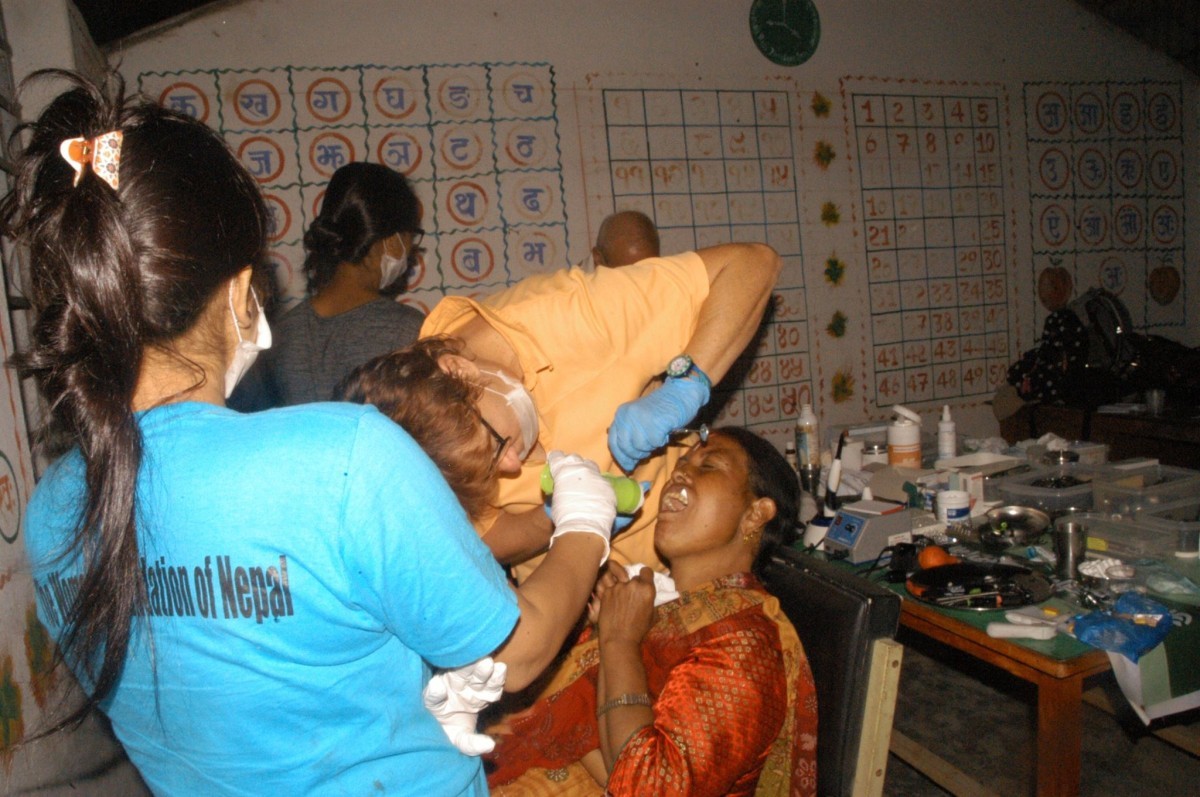
We believe in prevention rather than cure. With this motto, this Free Rural Dental Health Camp is one such special initiative of WFN team with German dental experts Dr. Edgar Laucer and Dr. Ines Bergmann to provide dental healthcare services to meet the immediate health care needs of the marginalized community in remote rural areas for 5 days at Ravi Opi and Tukucha Nala VDCs in Kavre district and 2 days at WFN Central Office, Kathmandu. This comprehensive health service includes – curative, preventive, primitive and referral, to a large number of people in selected intervention areas.
This website uses Google Analytics, a web analytics service provided by Google, Inc. (“Google”). Google Analytics uses “cookies”, which are text files placed on your computer, to help the website analyze how users use the site. The information generated by the cookie about your use of the website (including your IP address) will be transmitted to and stored by Google on servers in the United States. Google will use this information for the purpose of evaluating your use of the website, compiling reports on website activity for website operators and providing other services relating to website activity and internet usage. Google may also transfer this information to third parties where required to do so by law, or where such third parties process the information on Google’s behalf. Google will not associate your IP address with any other data held by Google. You may refuse the use of cookies by selecting the appropriate settings on your browser, however please note that if you do this you may not be able to use the full functionality of this website. By using this website, you consent to the processing of data about you by Google in the manner and for the purposes set out above.